
 Türkçe
 Español
 Deutsch
 Italiano
 Русский
 中文
 Français
 العربية
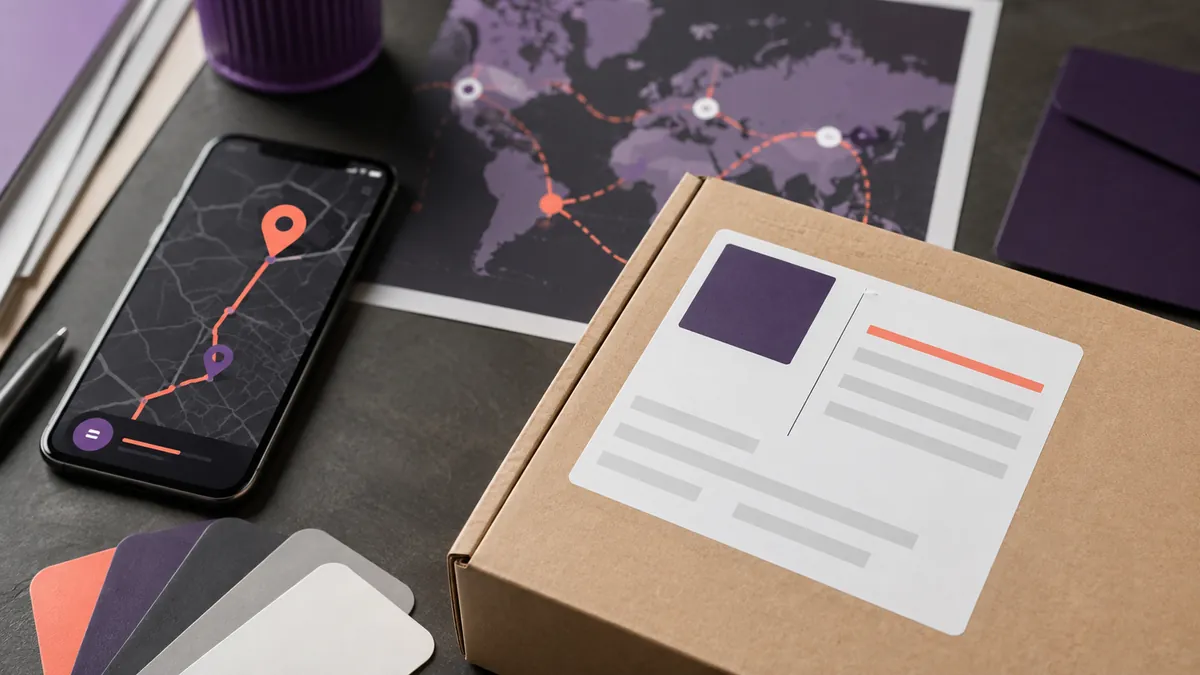
An international address should include the consignee, company, building and street, city, state or region, postal code, country and a reachable telephone number.
What should be clarified first?
A correct address supports routing, remote-area checks, customs declarations and final-mile delivery, not just label creation. A small postal-code error can send a parcel to the wrong distribution hub.
A reliable shipping operation starts with checks completed before booking. Verifying dimensions, weight, packaging, content description and delivery details early significantly reduces later costs and delays.
Planning the process step by step
Obtain the address from the consignee in the local format. If Latin characters are required, transliterate without changing meaning, and verify that city, region and postal code correspond.
- Enter the recipient and company names separately from building and street details.
- Split apartment, floor, access code and delivery notes within the available address-line limits.
- Store the telephone with country code and handle the local leading zero correctly.
Factors that affect cost and transit time
Do not compare quotes only by the first transport price shown. Dimensional weight, remote-area service, fuel, customs presentation, additional handling and local-delivery conditions can change the total. Estimated transit time can also vary with booking cut-off, flight or line-haul capacity, weekends and customs review.
An incorrect postal code may trigger remote-area or address-correction charges. For business deliveries, missing legal company or import details can also delay customs contact.
Documents and destination checks
Commercial shipments should have an invoice or proforma with a clear product name, quantity, unit value, total value, currency, origin and purpose. Verify the consignee name, telephone, email, full address and postal code before booking. Check separately whether the product or destination requires an approval or permit.
Common mistakes to avoid
Common problems include estimating dimensions, using a vague content description, understating value or omitting consignee contact details. Another mistake is treating transit time as flight time alone and ignoring customs clearance and final-mile delivery.
Applying a Turkish address order to every country, placing state information in the city field and omitting the telephone country code are common errors.
A short pre-shipment checklist
- Measure the parcel’s actual weight and three outer dimensions again.
- Match the product description, quantity and value against the documents.
- Verify the consignee address, postal code and contact channels.
- Check the destination’s current acceptance and import requirements.
Before printing the label, cross-check the address against a map, an official postal-code source and the consignee’s written confirmation.
Important note: Carrier and customs rules can change by product, route and date. Confirm the current requirements before booking; this guide is not a substitute for case-specific customs or legal advice.